

If you rely on a private well, your Ottawa well pump is the heart of your water supply: drawing water from underground and delivering it to every tap and fixture in your home.
When it works, you barely notice it. When it fails, you’re suddenly without water for everyday essentials.
Sadly, well pumps don’t last forever, and their lifespan depends on several factors: the pump type, water quality, well depth, cycling frequency, and overall maintenance. Understanding these factors can help you avoid unexpected (and expensive) interruptions.
If you’re still choosing a system, lifespan is also an important factor to weigh when deciding which well pump is right for your Ottawa home.
Table of Contents
Lifespan of a Well Pump
How long a well pump lasts depends mostly on the pump type you have – a jet or a submersible pump. Here’s what most Ottawa-area homeowners can expect.
Jet Pump Well Pump
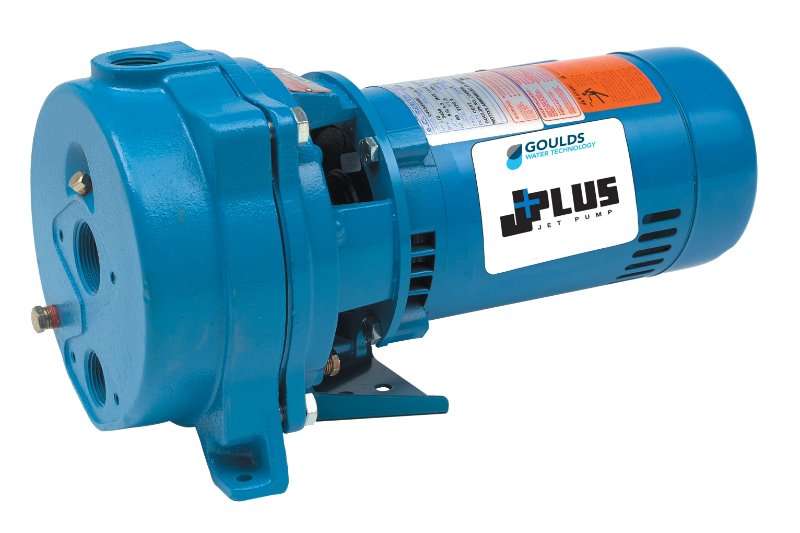
Jet pumps are installed above ground (often in a basement, utility room, or well pump house), and they use suction to pull water up from the well.
Because they work harder to pull water upward and are exposed to temperature swings, they typically last around 10 years, giving them a shorter lifespan than submersible pumps.
Submersible Well Pumps
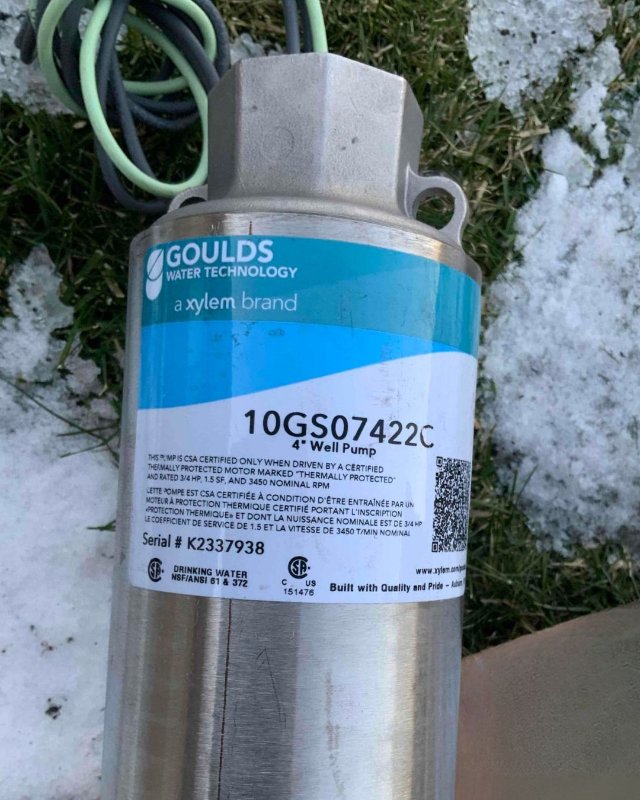
Submersible pumps sit deep inside the well and push water upward rather than pulling it. Their design allows them to operate more efficiently and with less strain than above-ground systems.
On average, submersible pumps last around 15 years, but high-quality models in ideal water conditions can often continue performing well for 20 to 30 years or more.
They cost more upfront, but their longevity and efficiency make them a smart long-term investment. They last longer because:
- The motor stays cool thanks to being surrounded by water
- They have fewer moving parts
- Pushing water is more efficient and creates less strain
- The sealed design protects the motor from minerals and sediment
How to Extend the Life of Your Well Pump

Even though pumps have predictable lifespan ranges, good habits and a good installation can make a dramatic difference.
Here’s how to get the most years out of your system.
Choose a Quality Well Pump
It’s tempting to grab a water pump from a big-box store to save money, but the lower-quality components often mean a shorter lifespan.
Professional-grade pumps are designed for durability, consistent output, and long-term reliability. Plus, a higher-quality well pump reduces the risk of premature pump failure and gives you the best return on investment.
Regular Maintenance & Inspections
Your water pump works every time you turn on a tap, so small well pump issues can snowball quickly if no one is looking.
Routine inspections help catch early warning signs, such as:
- Slight water pressure drops
- Sediment buildup
- Well pump motor strain
- Short cycling
Did you know that Diamond Club members receive a free annual 100-point whole-home plumbing inspection? Catching pump problems early is one of the most effective ways to extend your well pump’s life and prevent emergency breakdowns.
Understand Your Water Quality
Ontario groundwater, especially in rural Ottawa areas, often contains heavy minerals, sediment, iron, and sand.
Over time, these materials can accumulate on the pump and restrict water flow rate. While mitigation efforts are optional, the Ontario Wells Regulation suggests:
- Cleaning or redeveloping the well
- Installing a finer screen or sand-back filter
- Choosing submersible pumps with sealed motors to reduce damage
If your water contains high sediment or mineral content, you may experience a shorter pump lifespan, particularly with a jet pump.
Installation From an Experienced Plumber
Proper installation is one of the biggest predictors of pump lifespan. As a result, a professional plumber ensures:
- The well pump is matched to your well depth
- The system delivers the correct water pressure
- Components like the pressure tank are sized properly
- Electrical connections are secure
- The water pump won’t short-cycle or strain unnecessarily
If you live in a rural Ottawa community like Embrun, Manotick, Greely, or Kemptville, choosing someone experienced with well systems is especially important.
Need help choosing the right pump, or unsure how old yours is?
A licensed Plumbing Now technician can assess your water system, test your water quality, and help you plan before your well pump becomes a problem.
Common Signs Your Well Pump May Need Replacement
Even the best pumps eventually wear out. Watch for these symptoms:
No Water at All
If you suddenly lose water, your water pump may have failed, but always check your breaker panel and pressure tank first. A tripped breaker is a common culprit.
Low Water Pressure
Whole-home water pressure loss can indicate:
- A weakening water pump
- A clogged intake
- Sediment buildup
If only one fixture has low water pressure, the issue is likely plumbing-related instead of the well pump being the source of the problem.
Runs Constantly
Frequent cycling or continuous running often points to an issue with the pressure tank. However, it could also point to a pump-related issue, including:
- Sediment clogging
- Worn well pump components
- An undersized water pump
Any of these issues can shorten well pump lifespan if not addressed promptly.
How to Get the Most From Your Well Pump
A reliable well pump starts with the right equipment, professional installation, and consistent maintenance.
Paying attention to early warning signs and understanding your pump’s expected lifespan can also minimize the risk of sudden outages and costly replacements.
If your water pump is showing signs of trouble or you’re planning a new installation, don’t wait until you’re out of water.
Plumbing Now provides expert well pump service across Ottawa and the surrounding rural communities: fast, reliable, and backed by licensed professionals.
Explore our Well Pump Services or contact us today for same-day help!