
If you’re one of the approximately 50,000 households in the Ottawa area that rely on a private well for water, you’ve likely wondered: Which type of well pump is best for my property?
Both jet pumps and submersible pumps draw water from wells to supply your home, but they pump water in fundamentally different ways and suit various conditions.
In this well pump replacement guide, we’ll compare how each system operates, explore its pros and cons, and help you determine which pump type makes the most sense for your Ottawa-area well.
Since well depth is a critical factor in Eastern Ontario—where most wells are drilled through bedrock—understanding these differences can save you money and headaches down the road.
Table of Contents
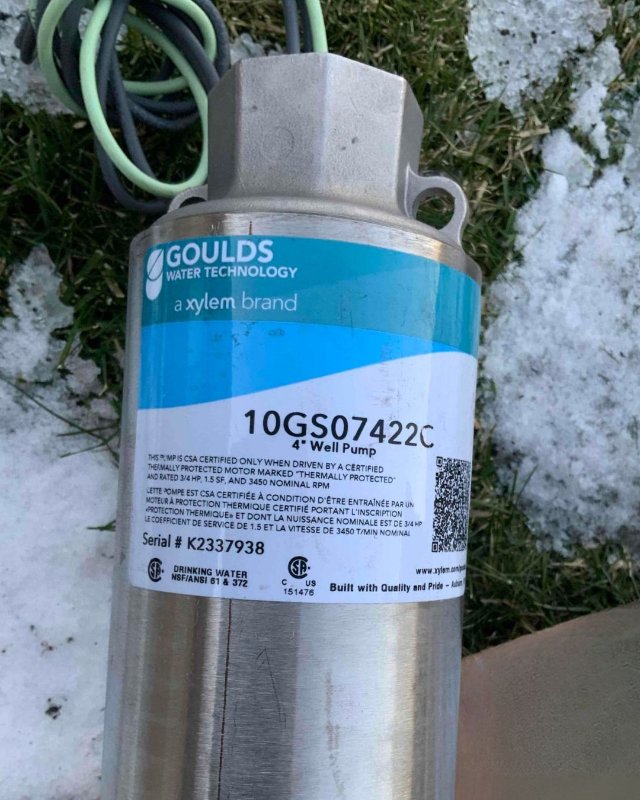
How They Work: Jet Pump vs Submersible
Jet Pumps (Shallow or Deep Well/Above-Ground System)
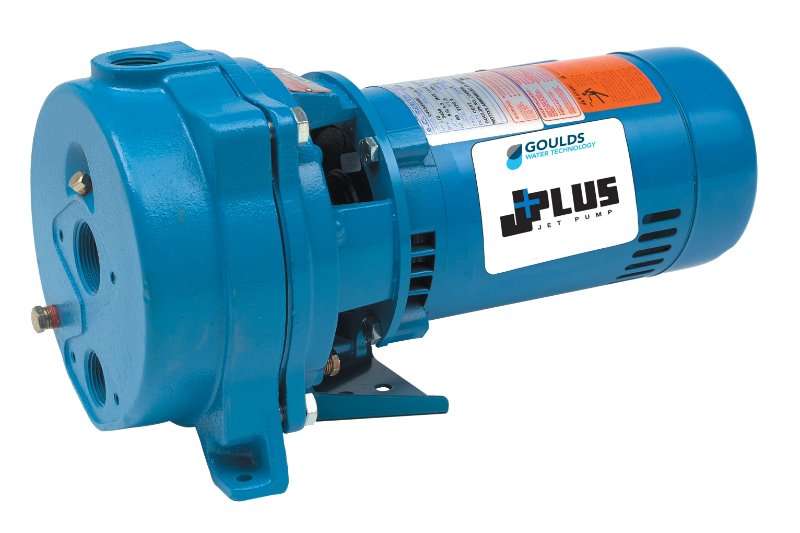
Jet pumps operate by using suction and pressure differential to pump water up from your well. The pump itself is installed above ground, typically in your basement or a pump house.
In Ottawa’s climate, the installation location must be properly insulated or heated to prevent freeze damage to the pump casing and pipes. There are two types of jet pumps:
- Shallow well jet pumps use a single pipe and work best for wells under 25 feet (7.6 metres).
- Deep well jet pumps use two pipes running into the well and can function at depths up to 100 feet (30 metres), though efficiency decreases beyond this point.
Submersible Pumps (Deep Well/In-Well System)
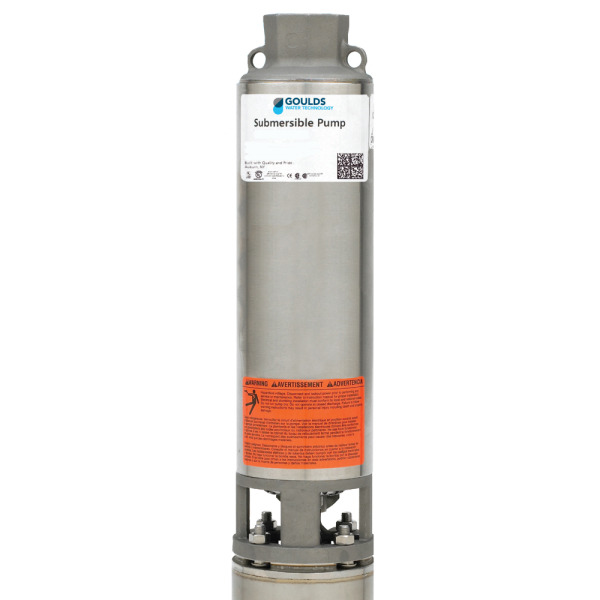
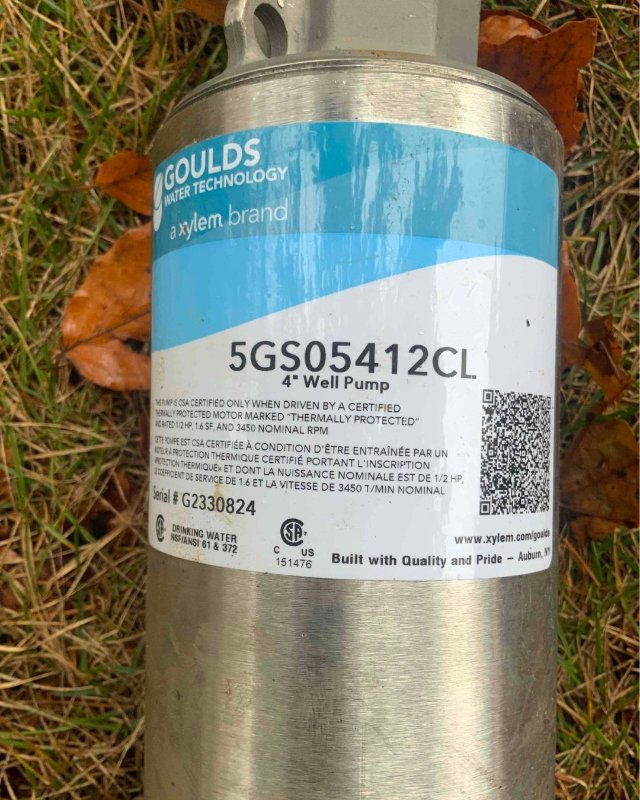
Submersible pumps take a different approach by pushing water upward rather than pulling it. The entire pump unit is installed inside the well casing, submerged below the water table. This design allows deep well submersible pumps to work efficiently at much greater depths (500 feet/152 metres).
The Key Differences
| Feature | Jet Pumps | Submersible Pumps |
| Mechanism: Pull vs Push | Pulls water using suction | Pushes water from below |
| Location/Installation | Above ground (basement/pump house) | Inside the well casing |
| Maximum Effective Depth | ~25 feet (7.6 metres) or 100 feet (30 metres) for deep well models | ~500 feet (150 metres) |
| Head/Lift Limitations | Entire lift from water to pump counts against suction limit | Only lift from pump to surface; positioned at water level |
| Efficiency Implications | Decreases with depth | Consistent across depths |
When to Choose Jet Pump vs Submersible (Based on Well Depth & Conditions)
Well Depth Matters Most
The single most important factor in choosing between a jet pump and a submersible pump is your well depth. This is particularly relevant in the Ottawa region, where geology plays a crucial role.
Ottawa’s Bedrock Reality
Most private wells in Ottawa and Eastern Ontario are drilled through bedrock, which means they tend to be quite deep. According to Ontario well drilling experts, wells in rock formations commonly reach depths between 160-250 feet (50-150 metres).
Since the static water level and drawdown exceed what jet pumps can reliably handle, submersible pumps are the practical choice for most modern homes.
When Jet Pumps Still Make Sense
While submersible pumps dominate, jet pumps remain viable in specific situations:
- Older properties and cottages with shallow-dug wells
- Secondary systems where a backup pump is needed
- Shallow bedrock areas where the water table is unusually high
- Budget-conscious scenarios under 100 feet (30 metres)
Deep well jet pumps are most commonly found in older homes (pre-1970s), when they were the standard installation for private wells across Eastern Ontario.
In some cases, homeowners have a genuine choice between pump types. Let’s examine what each offers.
Pros and Cons Comparison (Jet vs Submersible) in Eastern Ontario
| Feature | Jet Pumps | Submersible Pumps |
| Initial Cost | Lower upfront investment | Higher initial cost, especially for deep wells |
| Efficiency & Energy Use | Less efficient with increased depth | More efficient for deep wells as the pump is submerged in water |
| Noise | Noticeably louder (motor operates above ground) | Quieter operation (sound is muffled underground) |
| Maintenance & Accessibility | Easy access for repairs and servicing | Requires pulling pump from well for major repairs |
| How Long Do Wells Pumps Last | 10-15 years with proper maintenance | 15-25 years in good water conditions |
| Pressure Stability | May struggle during high demand or low supply | Higher water pressure, especially for deep wells |
| Priming | Required initially, and if the prime is lost | Not required, as pump remains submerged |
Cost Considerations
While jet pumps have a lower purchase price, the true cost comparison must account for:
- Operating costs: Submersible pumps typically use less electricity
- Repair frequency: Jet pumps may require more frequent maintenance
- Replacement timeline: Submersible pumps generally last longer
For an ownership period greater than 15 years, a submersible pump often proves more economical despite the higher upfront investment.
How Do Well Pumps Operate In Ontario?

Private Well Prevalence in Ontario & Canada
Private wells are more common in Ontario than many people realize. According to a policy brief from the Toronto Metropolitan University, about 1.5 million people rely on private well water.
For Canada in 2021, Statistics Canada estimated that about 11% of the population depended on private wells for their water supply.
Typical Well Depths in Our Region
Understanding local well characteristics helps explain why submersible pumps dominate:
- The Ottawa region sits on bedrock, requiring deeper drilling to reach adequate water supplies
- An Ontario well drilling expert reports that wells drilled in Ontario’s rock formations commonly reach 160-250 feet (50-75 metres) in depth, with some reaching as deep as ~500 feet (150m)
Water Testing & Risks of Unmaintained Wells
Ontario’s 2024 Auditor General report revealed concerning statistics about private well maintenance:
- Less than 30% of private wells in Ontario were tested for water quality in the past year, as reported by the CBC
- 40% of private well owners don’t treat their water at all (Canada Water Portal, 2025)
These numbers underscore the importance of proper well maintenance, regardless of which pump type you choose.
Regulations in Ontario
Ontario’s Wells Regulation (Regulation 903) under the Water Resources Act governs well construction, maintenance, and equipment installation.
Additionally, the province’s Water Supply Wells: Requirements and Best Practices manual provides detailed guidance on pump installation and protection measures.
So, Which is the Best Option? (Especially for Ottawa/Eastern Ontario)

Decision Framework
Follow these steps to determine the right pump for your property:
- Measure your well depth and static water level: your well driller’s report should have this information. Typically, you can also find this information on the ‘well record’ by searching for it by address or well ID (a well record should have been filed with the Ministry of the Environment when it was drilled)
- Calculate the required total dynamic head: lift distance plus friction losses
- Evaluate your budget for both upfront costs and long-term operating expenses
- Consider accessibility for future maintenance
Our Recommendation for Ottawa-Area Homes
For most Ottawa-area homes on drilled wells, submersible pumps are the reliable, efficient choice. In fact, approximately 75% of homes with private wells in the region are equipped with submersible pumps. They’ve become the modern standard for new well installations and are typically installed when newer homes are built.
Jet pumps remain viable in specific situations, but come with important caveats:
- Older cottage properties with dug or bored wells
- Properties in areas with esker aquifers
- Confirmed high water table locations
If you currently have a jet pump and are experiencing issues, converting to a submersible system is often worthwhile for Ottawa-area deep wells.
Signs you might benefit from switching:
- Increased flow rate and water pressure for better household performance
- Self-priming operation requiring minimal maintenance
- Longer lifespan (15-25 years), reducing long-term replacement costs
- Frequent loss of prime requiring manual intervention
- Inconsistent water pressure throughout the day
- High energy bills compared to neighbours with similar usage
- Noisy operation disturbing your living space
- History of freeze damage or concerns about adequate heating during winter
The primary trade-off: Higher upfront investment, though this is typically offset by reduced operating costs and longer pump life.
When to consult a professional: Don’t attempt to diagnose pump issues or plan conversions without expert input. Contact an experienced well contractor for:
- Site-specific well analysis and pump recommendations
- Water quality testing (iron, sulfur, pH) that may affect pump choice
- Pressure and flow rate testing to properly size replacement equipment
- Compliance with Ontario well regulations and building codes
Get Expert Well Pump Service in Ottawa
At Plumbing Now, we specialize in well pump installation, repair, and maintenance for homes across Ottawa and Eastern Ontario. Our Master Plumber and TSSA-certified technicians have extensive experience with both jet and submersible systems in our region’s unique geological conditions.
Whether you’re installing a new well pump, troubleshooting existing issues, or considering a system upgrade, we provide honest assessments and reliable solutions tailored to your property.
Request a free quote & consultation (including a complimentary site visit) — we’ll help you choose the right pump system for your well and ensure a reliable water supply for years to come!